In Quebec City, a moment of painful truth
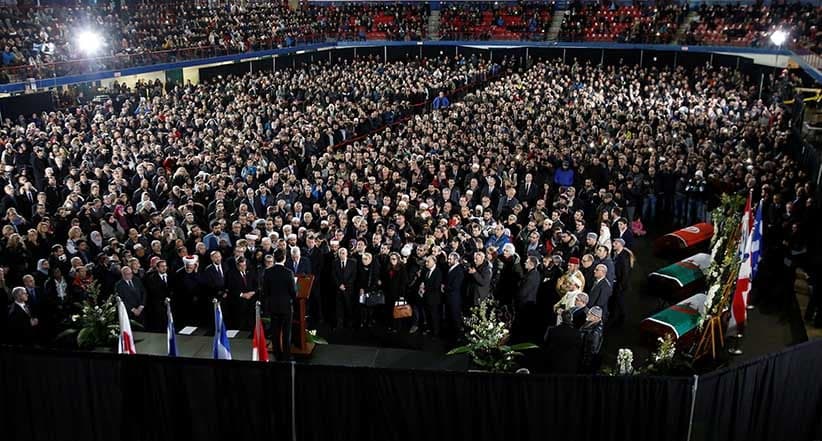
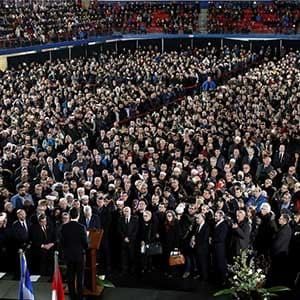
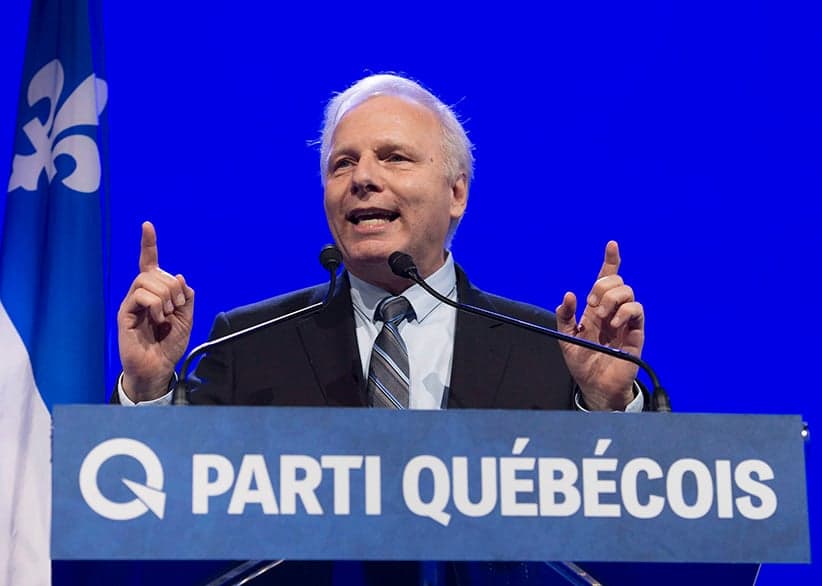
Equipped with a pressure hose and squeegee, Corey Fleischer traverses the province of Quebec erasing swastikas and anti-Muslim slurs. As the owner of a graffiti removal business based in Montreal, the 36-year-old commonly sees incendiary slogans like, “Stop Islam” and “Only the white matters.” When police don’t respond, Fleischer gets calls to wash away the offending words. “This is something that I’ve been screaming about at the top of my lungs for years,” he says, noting one incident in December of more than 20 swastikas on a building in Laval. “If that’s not [hateful activity] that the police should be focusing on, then I don’t know what is.” What Fleischer read as danger signs have for years been dismissed by Quebec’s political leaders and public officials as the work of a lunatic fringe—an ugly nuisance with scant links to Quebec’s efforts to protect its values and identity. But as the scenes of anguish poured in from Ste-Foy, Que.—fatherless children in tears; the blood-spattered floor of a well-attended mosque—more than a few were seized by doubts. The man suspected of shooting up the Centre Culturel Islamique had voiced support, after all, for politicians who’ve toyed with far-right rhetoric in the name of preserving values, before he embarked on a rampage that killed six and wounded 19. And while the connection between dog-whistle politics and the workings of a murderous mind may never be proven, some in positions of influence seemed eager to try. “Freedom of speech has consequences, good ones and bad ones,” said Philippe Couillard, Quebec’s Liberal premier. “Words can hurt. Words can be knives slashing at people’s consciousness.” This will be, to put it mildly, an awkward conversation. The night after the shooting, both Couillard and Justin Trudeau spoke at a vigil outside the mosque, reassuring Muslims that they live in a diverse and welcoming society. Beside them, however, stood Parti-Quebecois leader Jean-François Lisée, who had helped concoct Quebec’s so-called Charter of Values, a piece of legislation introduced by the PQ government in 2013 that would have compelled all provincial public servants to remove religious symbols like hijabs during work hours.
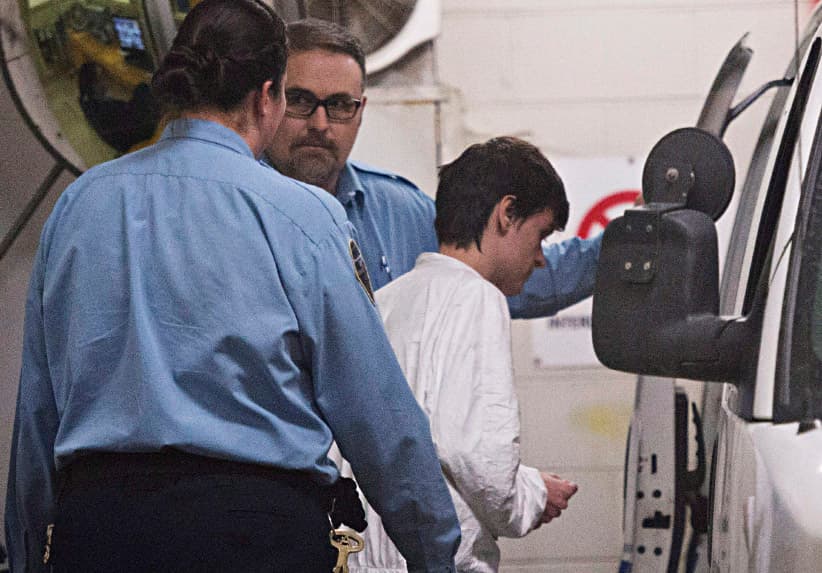
Where the man accused of the massacre fell on this spectrum is only starting to come clear. Alexandre Bissonnette, 27, had a Facebook history showing “likes” for U.S. president Donald Trump and far-right French politician Marine Le Pen. And while that hardly tells the whole story—now-deceased NDP leader Jack Layton and Garfield the cartoon cat count among his other likes—close friends have begun to fill in the blanks. In interviews with various media outlets, they’ve described Laval Université student as a gun-loving ultra-nationalist enamoured by the alt-right movement, and a devout reader of far right websites like Breitbart and Infowars. Though he grew up in the middle class Cap-Rouge suburb of Quebec City, he despised Muslims, some say, and was critical of Canada’s plan to welcome Syrian refugees. “He didn’t like the Muslim religion,” one friend told the National Post. “But he never said he wanted to exterminate them or that he considered them an inferior race.” François Deschamps, who runs a refugee-support Facebook page in Quebec City, instantly recognized Bissonnette’s photo on the news. He is “unfortunately known to several activists,” Deschamps later wrote, for posting pro-Le Pen and anti-feminist comments online. Another friend told the Globe and Mail: “I wrote him off as a xenophobe. I didn’t even think of him as totally racist, but he was enthralled by a borderline racist nationalist movement.” It’s all been enough to chasten the likes of Lisée, who the day after the mosque shooting acknowledged his remark about burqas being used to hide AK-47s was ill-advised. Radio host Maurais told the New York Times that the tone on the air needs to be more respectful, though not to the point that political correctness trumps his panel’s frank talk about Islamic values. And as spontaneous vigils honouring the dead popped up from Digby, N.S., to Calgary City Hall, a sense of collective responsibility prevailed—as if the show of numbers on its own might contain the forces of hatred. Yet even as the mourners assembled, at least one Quebec City shock jock was denying all hint of responsibility, complaining to his listeners about critics who “stir the pot” in search of someone to blame for the massacre. “I find it irresponsible, adolescent,” added Jeff Fillion of CHOI 98.1FM. “There is one person responsible.” And for Fleischer, alas, business remains as brisk as ever. After five days out of commission with the flu, he faced a backlog of requests to remove graphics as hateful as any he’s seen, noting ruefully, “I have close to 10 already waiting for me.” —with Martin Patriquin and Michael Friscolanti
Related Posts
My love for the giant that is Ukraine
The Age of Wildfires
Why sanctions over the Ukraine invasion won’t stop Putin
The only acceptable response to Vladimir Putin
Get the Best of Maclean’s straight to your inbox.
Sign up for news, commentary and analysis. Join 60,000+ Canadian readers.