Why Researchers Are at the Heart of Every Life Saved

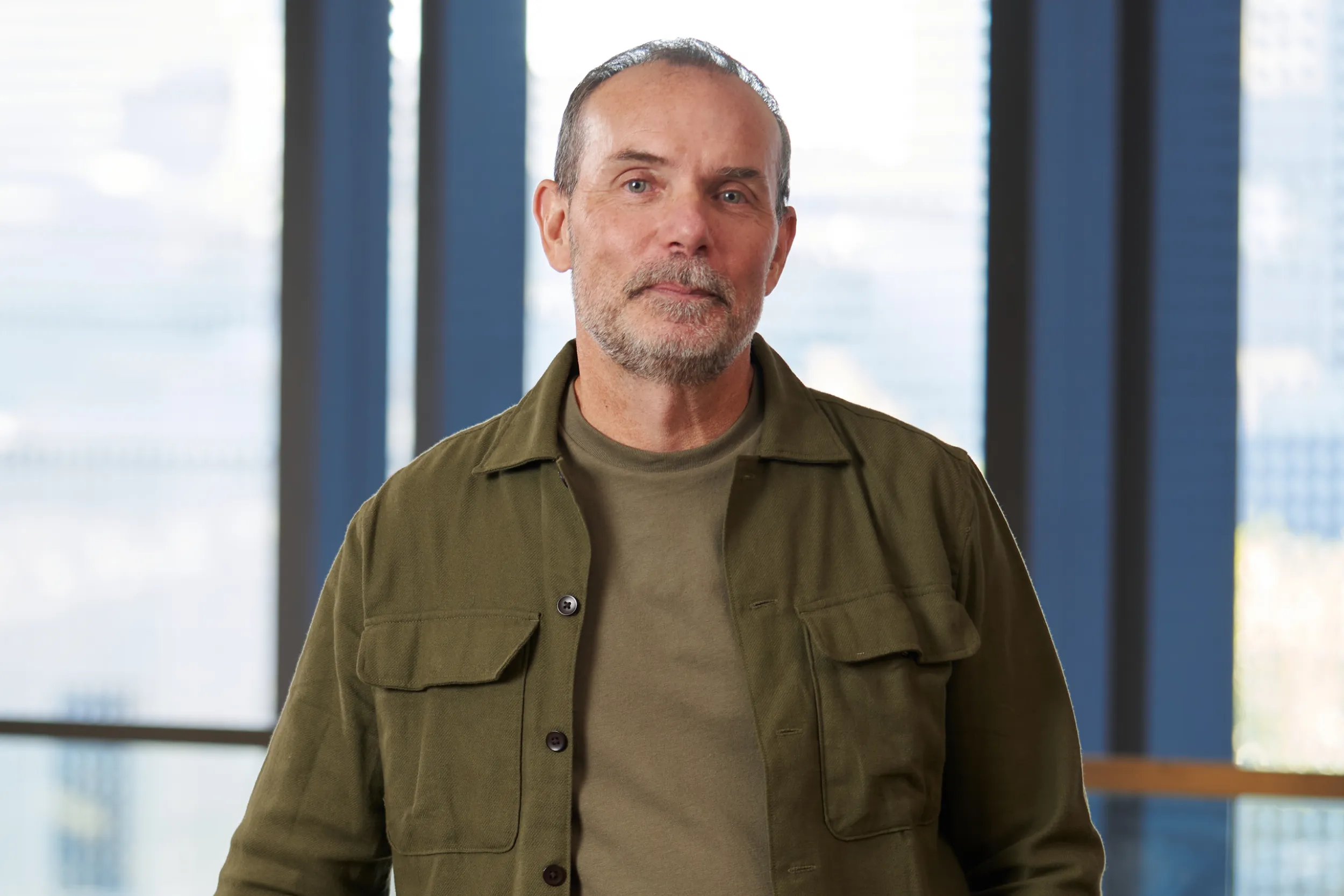
“I was a healthy guy,” Mark Friesen says. “I enjoyed camping, golfing, riding my dirt bike. Now, it’s just...different.”
On March 19, 2023, Mark, then 55, had planned to go dirt-biking with his son Alex, but, fortunately, decided to tackle some trimming in the backyard instead. About 30 minutes later, everything changed. Mark doesn’t remember what happened, but his wife, Quinn, does.
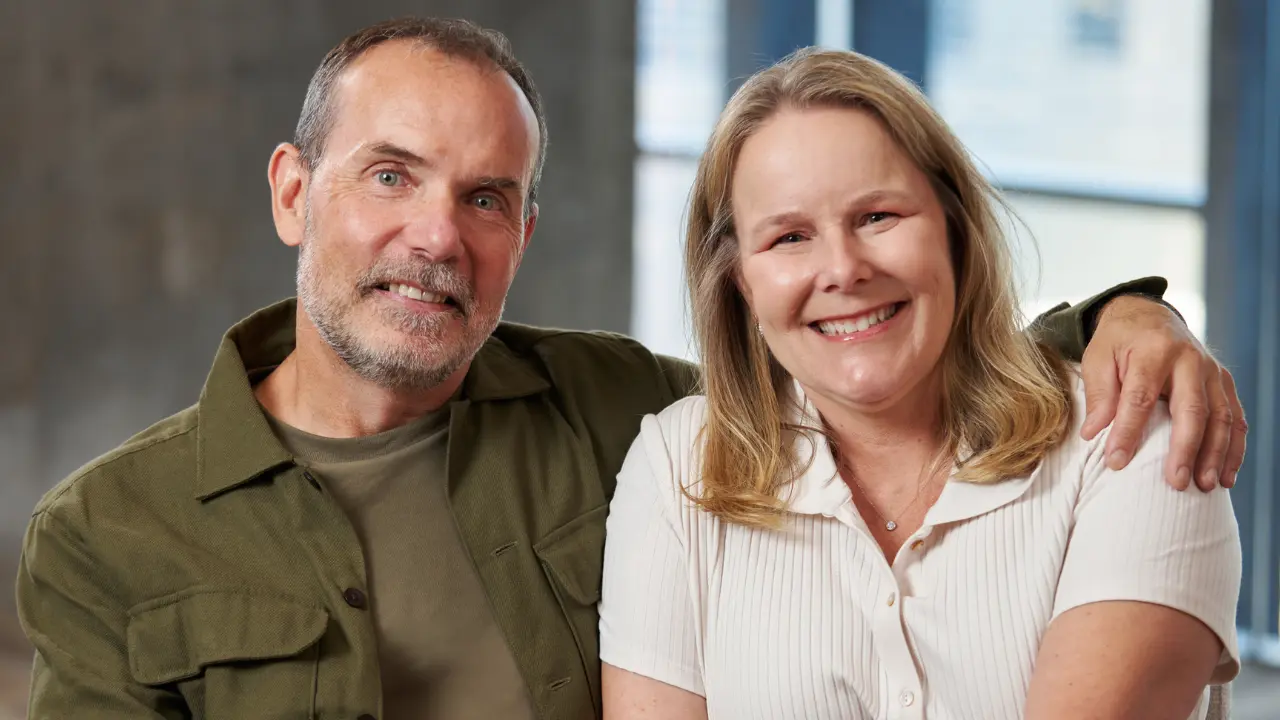
“I tried to get him to talk to me, but he just stared blankly,” Quinn says. When she asked him to raise his arm and he didn’t move, she knew he was experiencing one of the F.A.S.T. signs of stroke, which include face-drooping, the inability to raise your arms and slurred speech. “It was terrifying. I told Alex to call 911 and tell them that his father might be having a stroke.”
At Vancouver General Hospital, doctors discovered Mark had a blockage in his brain’s cerebral artery. He was experiencing an acute ischemic stroke, caused by a clot blocking blood flow to the brain. His medical team later learned the clot had risen from his heart.
Revolutionizing stroke care
In the immediate emergency, doctors worked quickly, removing the clot by performing endovascular treatment (EVT), a breakthrough procedure pioneered by Canadian researchers 11 years ago that has revolutionized how strokes are treated today.
Dr. Michael Hill, a neurology professor at the University of Calgary and director of the Calgary Stroke Program’s stroke unit, is one of the physicians who led the research on EVT, which was co-funded by Heart & Stroke. “One in four people are at risk of having a stroke in their lifetimes,” he says. “But we didn’t have many options for treating them.”
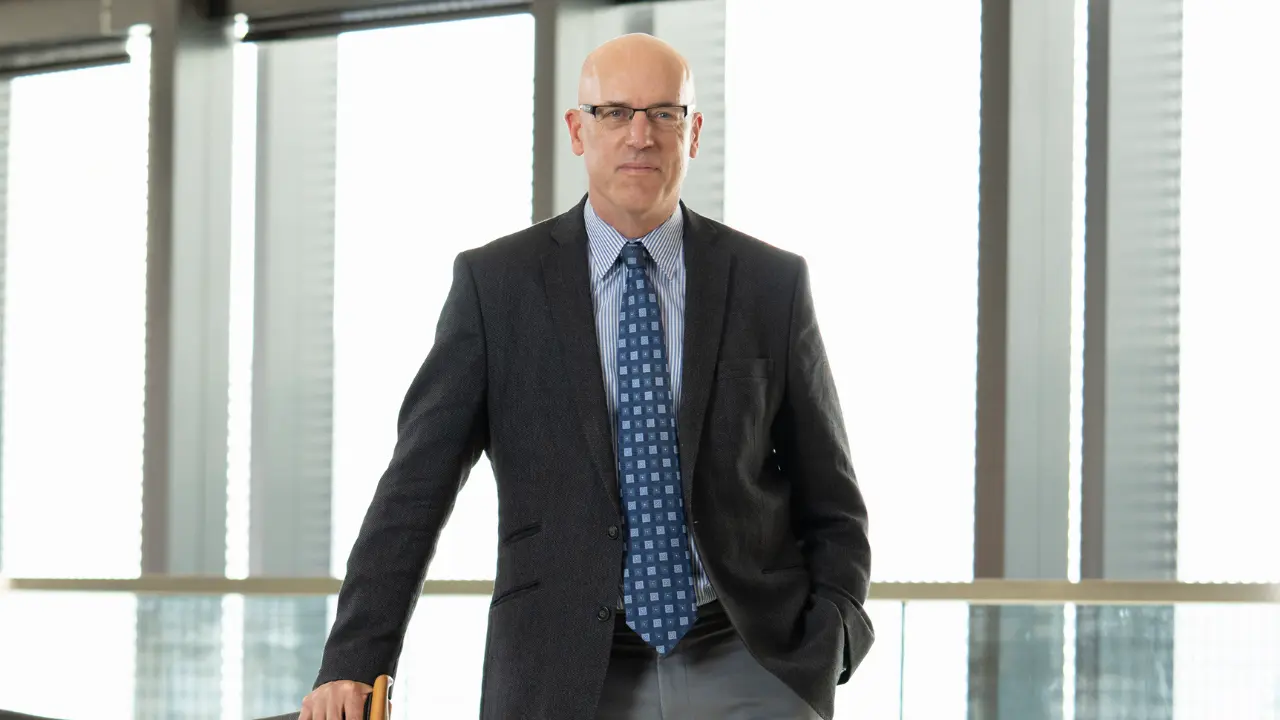
“What was important about our study is that we focused on patients with major ischemic stroke, those who were at the highest risk of death or severe disability,” Hill says. “We discovered that opening the arteries using EVT resulted in a dramatic reduction in both.” During the trial, the treatment cut the risk of death in half.
Speed is essential, Hill says, and, ideally, patients are treated within six hours of stroke onset. “Early on, we can treat almost everybody because the brain isn’t permanently damaged.”
The power of research
In 2015, EVT was incorporated into the Canadian Stroke Best Practice Recommendations (this year marks the CSBPR’s 20th anniversary) as a recommended treatment for ischemic stroke. At the conclusion of the trial, EVT was available in 11 centres across Canada, but its inclusion in the best practices helped to expand its reach. There are now approximately 27 EVT centres providing the treatment in hospitals across Canada.
Still, stroke is not going away, Hill says, which is why supporting research through organizations like Heart & Stroke is essential. “There is still a lot of disability and death due to stroke and a huge opportunity to improve the outlook for patients through new studies,” he says. “EVT is a terrific example of the impact you can have if you see the long-term vision in supporting research.”
Mark and Quinn experience the impact of that research every day. The recovery process hasn’t been easy, but with hard work and determination, Mark is undergoing speech therapy to address the aphasia (a language disorder that affects the ability to speak) following his stroke. He’s also getting back on his dirt bike and relearning how to swing his golf clubs. “Recovery is possible,” he says. “You just have to keep going—and don’t give up.”
Get the Best of Maclean’s straight to your inbox.
Sign up for news, commentary, analysis and promotions. Join 80,000+ Canadian readers.