The Canadians Growing Their Own Groceries
I started working as a teacher in Alberta in 2009. It wasn’t long before I was totally disillusioned with the education system. We weren’t preparing young people for life in any practical sense: we didn’t teach them how to take care of a property, how to grow food or how to live in an environmentally responsible way, all of which felt like glaring omissions that alienated students from the land they lived on. Then, in 2011, I signed up for a two-week permaculture course during the summer break. Permaculture is, put simply, a design science that can be applied to food systems, like sustainable agriculture and gardens, helping people work with nature rather than against it. That course taught me, for example, which species grow best in which climates, as well as how to survey natural water flow to make sure those plants flourish.
Related: What if Cities Ran Grocery Stores?
When the fall semester came around, I started a permaculture club at the high school, teaching kids how to make chairs from used wooden pallets and compost with worms. Forty minutes a week never felt like enough, so when my contract ended, I decided to pursue permaculture full-time. I worked on organic farms in Australia, established a permaculture-training program on 17 acres in Barbados and helped create a garden and fruit orchard at a junior high school in Maskwacis, Alberta. Over the last few years, I’ve been hosting weekend workshops that teach Canadians how to transform their yards so they can grow their own food.
DIY farming isn’t just a hobby rooted in do-gooder environmental ideology anymore; it’s a highly practical one. Between 2019 and 2024, the average Canadian’s monthly grocery bill shot up from $974 to $1,227. We now have the highest food-inflation rate among the G7 countries. A weakened dollar, tariffs and catastrophic weather events are partly to blame. But, more recently, the war in Iran has sent fuel prices soaring. Some Winnipeg-area grocers report that their import costs have nearly doubled. Domestic-produce prices are spiking as well—many fertilizers are manufactured using fossil fuels, after all.
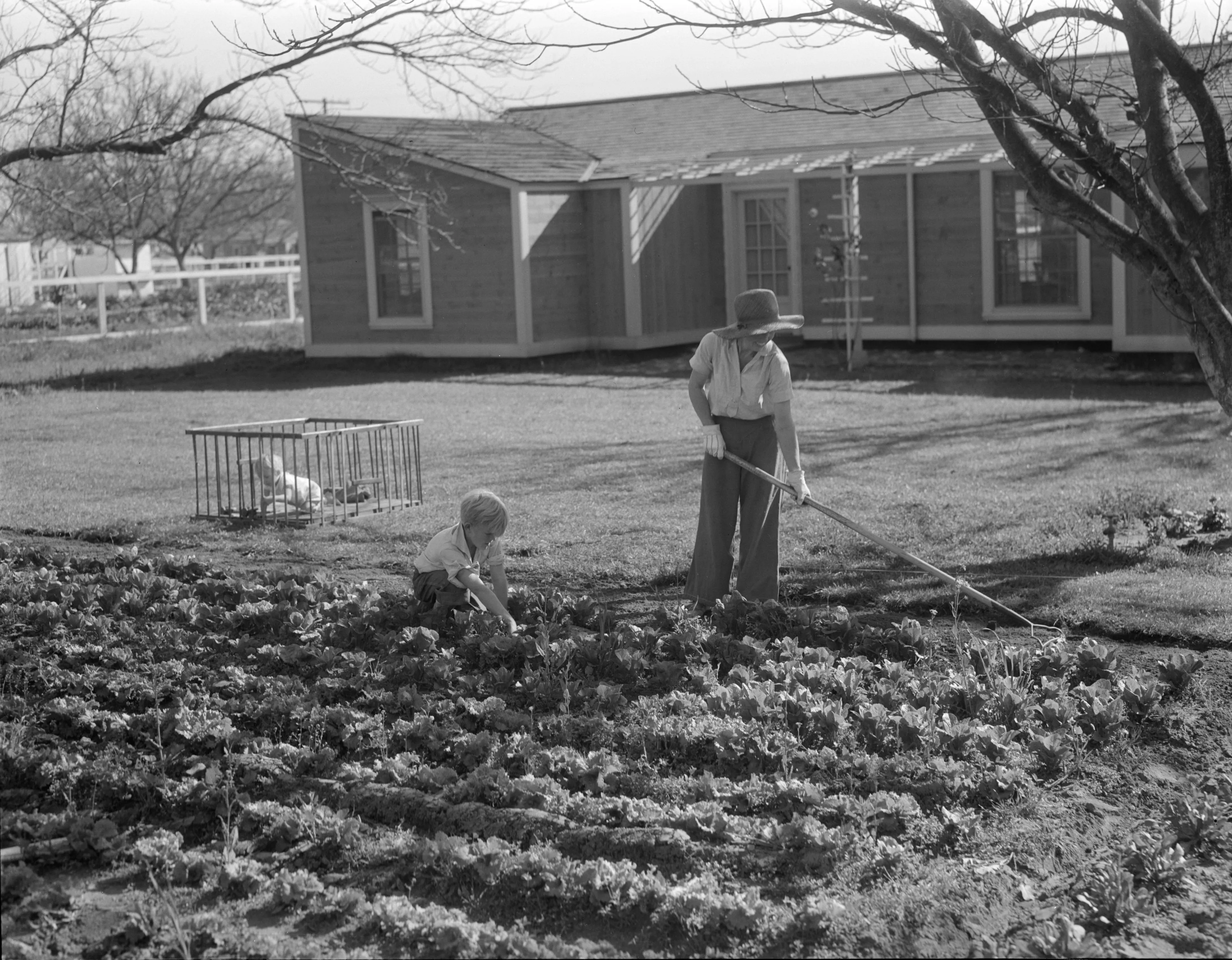
Food insecurity is a national-security issue, and growing our own food is one way to shrink Canada’s dependence on volatile transnational food chains. There’s precedent for this: during World War II, Canadians propagated produce in so-called “victory gardens” in order to ship more food to the front and repurpose food-transport trucks for military use. In 1944, at the trend’s peak, we had almost 210,000 victory gardens coast to coast producing roughly 57,000 tonnes of vegetables.
I discuss these victory gardens in my workshops. I do a fair bit of re-education too. Most people garden by just copying someone else’s methods. They grow rows and rows of the same crop and tuck compost away in the back corners of their yards. The result is a setup that requires constant maintenance. I show them how, with more strategic placement, they can hugely reduce their workloads while increasing their yields. We also cover techniques like square-foot gardening (planting in raised, gridded squares instead of rows), herb spirals (herbs planted at different elevations) and hügelkultur beds, where plants grow on mounds made of rotting wood and other organic matter.
One myth I often have to bust is that growing your groceries requires a big plot of rural land or property in suburbia. You can generate a surprising amount of food on a balcony, as long as it gets enough sunlight. The trick, I tell workshopgoers, is to make use of their vertical space with plants like peas, hardy grapes and vining plants like Arctic kiwi. Sprouts, in particular, cost a fortune at the supermarket but are quite nutritious and easy to grow in a small space.
I’m increasingly meeting Canadians who are driven more by anxiety than ideals. Some are aspiring homesteaders or people keen to go off-grid, but others are happily on-grid and have simply realized the fragility of our supply chains and the vulnerability of living paycheque to paycheque. I used to see more middle-class folks who were just looking to spruce up their yards; now, I meet people struggling to get by. Some have explicitly told me they’re hoping to curb their monthly bills by putting their gardens to work.
A typical lawn is a financial liability—it requires time and resources and doesn’t produce much in return. But when you convert that space into something edible, it can feel like you’re printing your own money. One of my workshop attendees grew so many plums that he started his own plum-jam company. I personally have access to a seemingly endless supply of Saskatoon berries, sea buckthorn berries, currants, apples, plums and pears thanks to the dozens of community fruit-tree plots I’ve put together. I also built a massive strawberry patch in my own front yard without spending a dollar: I fashioned terraces out of old logs, got some good (free) soil from a neighbour and found (free) strawberry cuttings on Facebook Marketplace.
The other benefits of practising permaculture are harder to quantify but just as important. Gardening gives people a sense of agency in a world that feels more and more unstable by the day. It’s good for our physical health and creates opportunities for real-life connection that Canadians desperately crave. We can share food, build a family herb spiral or, with the help of a neighbour, plant a series of fruit trees in place of a fence.
Kenton Zerbin is an Alberta-based permaculture expert, speaker and land consultant.
What did you think of this story? Send a comment for publication to letters@macleans.ca, and supply your name and address. Comments should be fewer than 200 words, and may be edited for length and clarity.
Get the Best of Maclean’s straight to your inbox.
Sign up for news, commentary, analysis and promotions. Join 80,000+ Canadian readers.